
Apr . 01, 2024 17:55 Back to list
cold roll forming machine Performance Analysis
Introduction
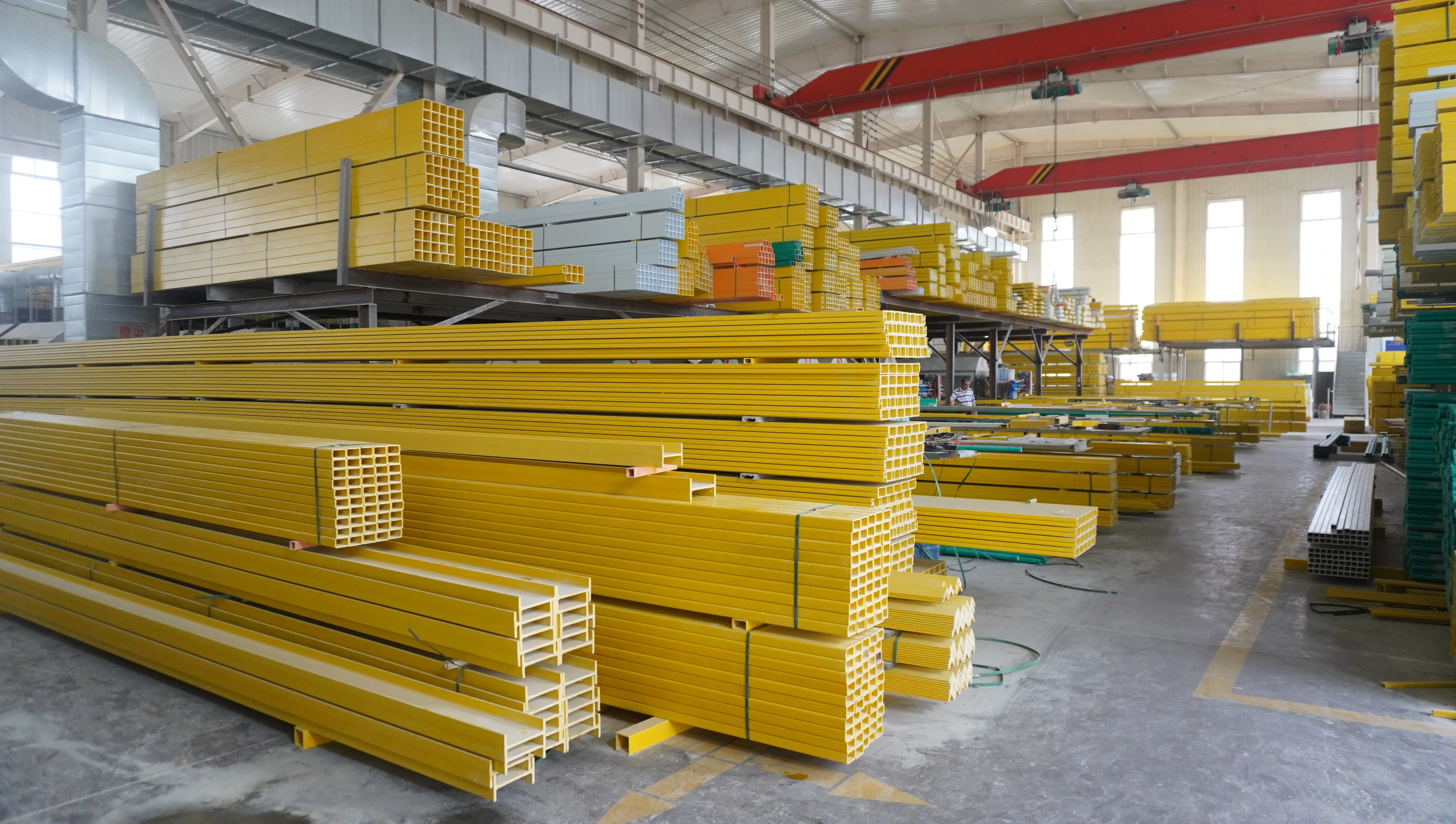
Cold roll forming is a continuous bending process used to produce constant cross-section profiles from sheet or strip metal. Positioned within the metal fabrication industry chain between steel production and downstream component manufacturing, it represents a cost-effective alternative to machining, forging, and casting for high-volume production of formed metal parts. The core performance characteristics of a cold roll forming machine lie in its ability to achieve tight tolerances, maintain material properties through work hardening, and minimize material waste. The process is crucial for industries demanding precise, repeatable shapes with superior surface finishes, including construction, automotive, appliance, and structural component manufacturing. The primary pain points addressed by advancements in cold roll forming technology include minimizing springback, controlling material yield strength variations, and achieving complex geometries with consistent accuracy. The industry consistently seeks methods to reduce setup times, improve tooling lifespan, and integrate automated inspection systems to enhance overall production efficiency and quality control.
Material Science & Manufacturing
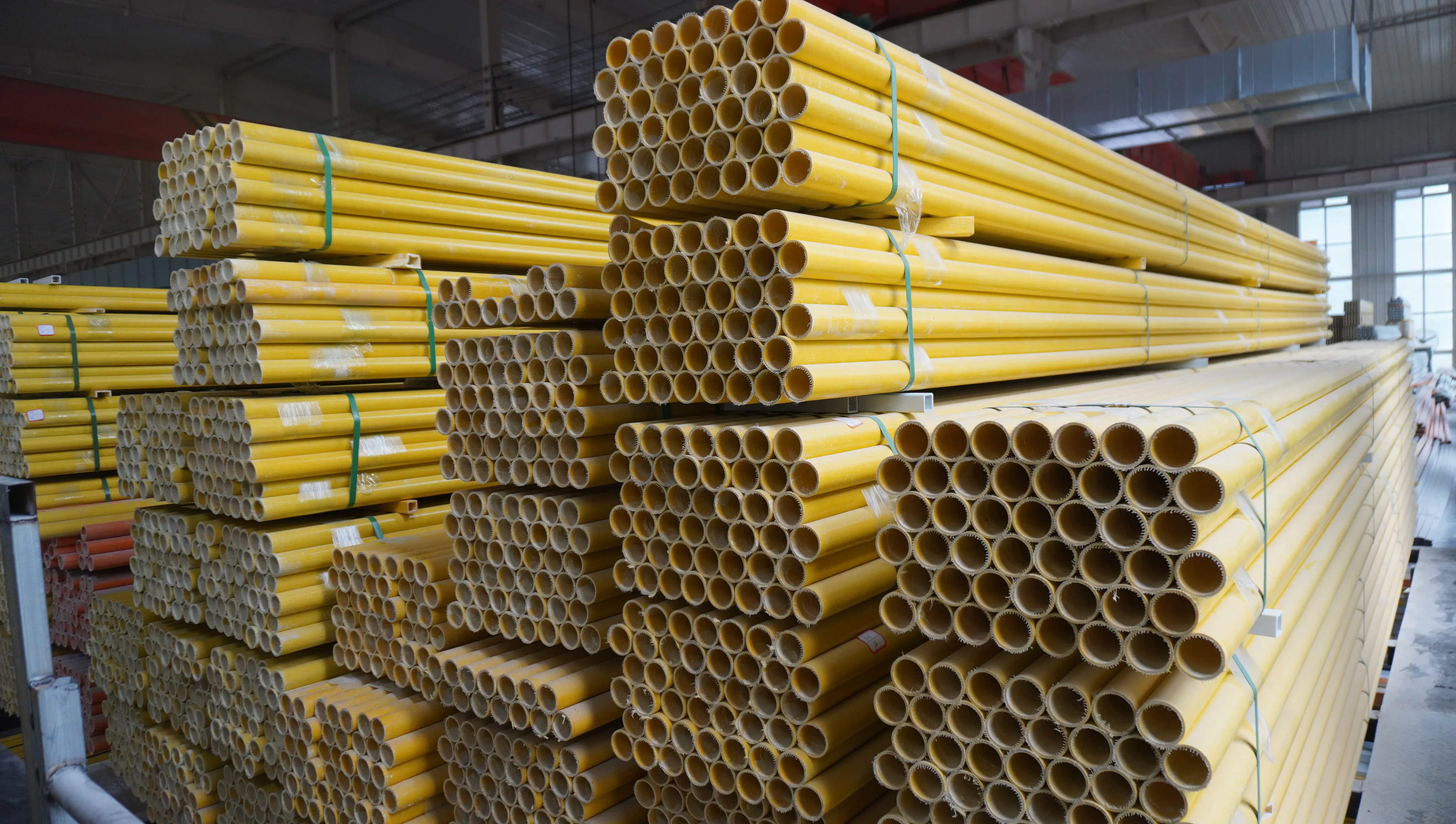
The typical raw materials for cold roll forming are low-carbon steel (e.g., 1018, 1020), high-strength low-alloy (HSLA) steel, stainless steel (304, 316), aluminum alloys (5052, 6061), and occasionally specialized metals like copper. Steel selection hinges on tensile strength, yield strength, and ductility requirements. HSLA steels offer superior strength-to-weight ratios, crucial in structural applications. Aluminum alloys provide corrosion resistance and lower density, suitable for automotive and aerospace components. The manufacturing process begins with coil slitting to the desired strip width. The strip then passes sequentially through a series of roll stands, each containing shaped rolls that incrementally bend the metal to the desired profile. Key parameters requiring strict control include roll pass geometry, roll material (typically tool steel hardened to 58-62 HRC), roll alignment (within +/- 0.005 inches), lubrication (using oils or soaps to reduce friction and prevent galling), and strip thickness consistency (maintained within +/- 0.002 inches). Roll pass design utilizes principles of plasticity and considers material flow to minimize springback. Finite Element Analysis (FEA) is increasingly used to optimize roll profiles and predict material behavior. Improper lubrication leads to increased friction, material tearing, and surface defects. Deviations in strip thickness necessitate real-time adjustments to roll forces to maintain profile accuracy.
Performance & Engineering
Performance of cold roll formed profiles is heavily dependent on geometric accuracy, mechanical properties, and dimensional tolerances. Force analysis during forming requires consideration of the yield strength of the material, roll diameters, and bending radii. Excessive bending radii can lead to unwanted curvature and reduced section modulus. Environmental resistance, specifically corrosion, is addressed through material selection (stainless steel, galvanized steel) and protective coatings (paint, powder coat). Compliance requirements vary based on the application. For structural applications, adherence to AISI S100 (North American Specification for the Design of Cold-Formed Steel Structural Members) is critical. Automotive applications demand compliance with automotive industry standards like IATF 16949 regarding material traceability and process control. Functional implementation often involves integrating cold roll formed sections into larger assemblies. Welding processes must be carefully controlled to avoid distortion and maintain mechanical integrity. Hole punching and forming operations are frequently incorporated, requiring precise tooling and control of material flow to prevent cracking or deformation. Springback, the elastic recovery of the material after bending, is a significant engineering challenge. It is mitigated through overbending, using appropriate roll pass profiles, and employing materials with lower yield strength-to-tensile strength ratios.
Technical Specifications
| Parameter | Unit | Typical Range (Low Carbon Steel) | Typical Range (HSLA Steel) |
|---|---|---|---|
| Material Thickness | mm | 0.5 – 3.0 | 0.75 – 4.0 |
| Maximum Forming Speed | m/min | 30 – 80 | 20 – 60 |
| Minimum Bend Radius | D (Material Thickness) | 1.5D | 2.0D |
| Tolerance (Dimensional) | +/- mm | +/- 0.1 | +/- 0.15 |
| Maximum Roll Diameter | mm | 300 – 600 | 400 – 800 |
| Number of Roll Stands | - | 8 – 20 | 10 – 25 |
Failure Mode & Maintenance
Common failure modes in cold roll formed parts include fatigue cracking, particularly at bend radii and hole edges, due to stress concentration. Delamination can occur in coated materials if the coating is compromised during forming. Degradation of mechanical properties can result from excessive work hardening or improper heat treatment after forming. Oxidation and corrosion are prevalent in unprotected steel components, especially in humid environments. Fatigue cracking is often initiated by microscopic surface defects or material inclusions. Delamination is exacerbated by insufficient coating adhesion or excessive forming strain. Work hardening can lead to brittle fractures. Corrosion progresses through pitting and crevice corrosion mechanisms. Preventive maintenance on the cold roll forming machine is crucial. This includes regular lubrication of roll stands, alignment checks of rolls (using laser alignment systems), inspection for wear and tear on tooling (roll replacement when wear exceeds 0.005 inches), and cleaning of the lubrication system. Rolls should be ground or replaced as needed to maintain profile accuracy. Alignment errors lead to uneven forming and increased stress concentrations. Lubrication failures result in increased friction and material damage. Regular inspection of the strip material for surface defects is also essential. Non-destructive testing methods like ultrasonic testing can detect internal flaws and cracks.
Industry FAQ
Q: What is the impact of material yield strength on springback in cold roll forming?
A: Higher yield strength materials exhibit greater springback. This necessitates overbending to achieve the desired final profile angle. Careful selection of roll pass profiles and potentially pre-bending operations are crucial to minimize springback with high-strength materials.
Q: How does lubrication affect the surface finish of the formed profile?
A: Insufficient lubrication leads to increased friction between the strip and the rolls, resulting in surface scratches, galling, and a degraded surface finish. Proper lubricant selection and application are critical for maintaining a consistent, high-quality surface.
Q: What are the limitations of cold roll forming in terms of achievable profile complexity?
A: While cold roll forming can produce complex profiles, extremely tight radii or significant changes in section modulus within a short distance can be challenging. These geometries may require multiple passes or alternative forming processes.
Q: How often should roll tooling be inspected and replaced?
A: Roll tooling should be inspected regularly, typically every 500-1000 tons of material processed, or more frequently for abrasive materials. Replacement is necessary when wear exceeds 0.005 inches, or if cracks or other defects are detected.
Q: What are the key considerations for forming high-strength steel grades?
A: Forming high-strength steel requires increased forming forces, optimized roll pass designs to minimize stress concentrations, and careful control of lubrication to prevent galling. Tooling must be made from high-strength materials to withstand the increased loads.
Conclusion
Cold roll forming is a versatile and efficient process for manufacturing constant cross-section metal profiles. Its inherent advantages – including material savings, tight tolerances, and superior surface finishes – make it a preferred method across diverse industries. Successful implementation hinges on a comprehensive understanding of material science, meticulous process control, and proactive maintenance of the forming equipment.
Future advancements in cold roll forming will likely focus on integrating artificial intelligence for real-time process optimization, developing adaptive tooling that adjusts to material variations, and expanding the capabilities of the process to handle more complex geometries and a wider range of materials. Continued innovation in lubrication technology and surface treatment methods will also be critical for improving performance and extending component lifespan.