
Apr . 01, 2024 17:55 Back to list
ERW Tube Mill what is a erw tube mill Performance Analysis
Introduction
Electric Resistance Welded (ERW) tube mills represent a cornerstone of modern steel pipe and tube manufacturing. Unlike seamless tube production which relies on piercing solid billets, ERW tube mills form tubes by longitudinally welding rolled steel strips. This process is significantly more cost-effective and versatile, making ERW tubing prevalent in applications ranging from structural support and fluid conveyance to automotive components and fencing. The ERW process occupies a critical position in the supply chain, bridging the gap between raw steel production and the fabrication of finished goods. Core performance characteristics include dimensional accuracy, weld seam integrity, and the ability to produce a wide range of diameters and wall thicknesses, impacting the overall structural capacity and service life of the final product. A key industry pain point resides in consistently achieving high-quality weld seams free from defects like porosity and inclusions, requiring precise control of process parameters.
Material Science & Manufacturing
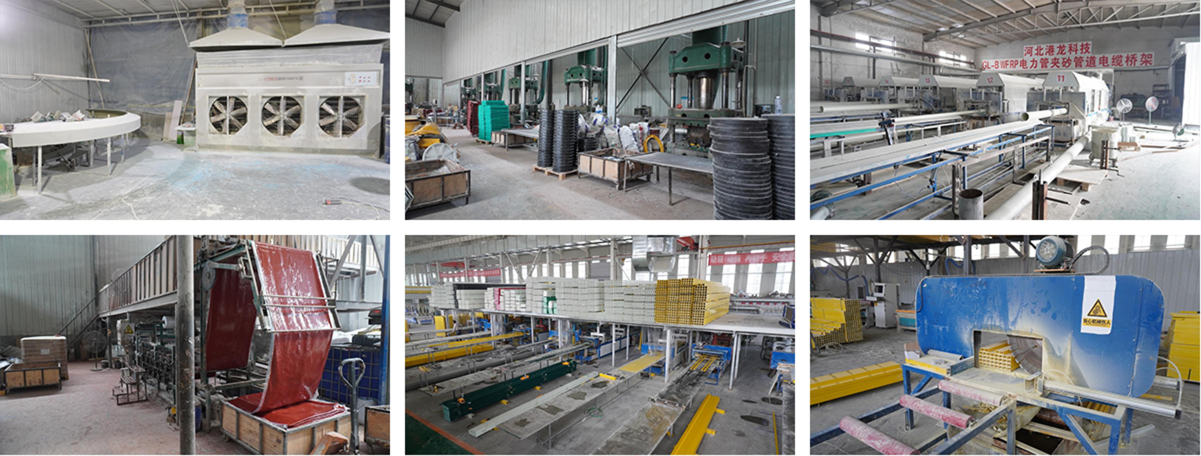
ERW tube manufacturing begins with steel strip, commonly produced via hot or cold rolling. Material grades vary significantly depending on the intended application, with common choices including carbon steels (ASTM A53, A106), alloy steels (ASTM A335), and stainless steels (ASTM A312). The steel strip’s chemical composition directly influences weldability and corrosion resistance. Low carbon steels generally exhibit superior weldability, while higher alloy content enhances strength and environmental resistance. The manufacturing process involves several key stages: strip preparation (cleaning, leveling, and edge trimming), roll forming (gradually shaping the strip into a tubular profile), welding (using electric resistance heating to fuse the edges), seam annealing (to normalize the heat-affected zone), sizing (to achieve precise dimensions), cutting (to desired lengths), and non-destructive testing (NDT) – typically ultrasonic testing – to verify weld integrity. Critical process parameters include welding current, welding speed, electrode force, strip thickness, and roll forming geometry. Maintaining consistent strip thickness and surface quality is paramount to avoid weld defects. The metallurgical structure of the weld seam is heavily influenced by the thermal cycle, requiring precise control to prevent the formation of martensite, which can lead to cracking.
Performance & Engineering
ERW tubes are subjected to various stresses during service, including axial tension, compression, bending, and torsional loads. Performance is directly related to the tube's mechanical properties: yield strength, tensile strength, elongation, and impact toughness. The weld seam represents the critical area for failure initiation. Finite element analysis (FEA) is frequently employed to model stress distribution around the weld, optimizing weld parameters and tube geometry to maximize load-bearing capacity. Environmental resistance is also a critical performance metric. Corrosion resistance is enhanced through material selection (e.g., stainless steel) and the application of protective coatings (e.g., galvanizing, epoxy coating). Compliance requirements vary widely based on the application. For pressure piping systems, adherence to ASME B31.3 is mandatory. Structural applications often require compliance with ASTM A500 or EN 10210. Fatigue performance is crucial in cyclical loading scenarios; proper weld profile and surface finish are essential to minimize stress concentration and crack initiation. The long-term creep resistance of the weld seam is a concern in high-temperature applications.
Technical Specifications
| Parameter | ASTM A53 Grade B | ASTM A335 P11 | EN 10210 S235JRH | ASTM A312 304/304L |
|---|---|---|---|---|
| Yield Strength (MPa) | 250 | 205 | 235 | 205 |
| Tensile Strength (MPa) | 370 | 415 | 360 | 517-620 |
| Elongation (%) | 23 | 20 | 21 | 30 |
| Wall Thickness Range (mm) | 2-12 | 3-25 | 1.5-20 | 1-6 |
| Outside Diameter Range (mm) | 21.3-667 | 33.7-667 | 10.2-660.4 | 6.35-219.1 |
| Welding Method | ERW | ERW | ERW | ERW |
Failure Mode & Maintenance
Common failure modes in ERW tubes include weld seam cracking (often due to lamellar tearing or hydrogen-induced cracking), corrosion-induced pitting and perforation, fatigue cracking under cyclic loading, and denting or buckling under impact loads. Weld seam cracking is frequently initiated by defects like porosity, inclusions, or incomplete fusion. Corrosion is accelerated by exposure to harsh environments and the presence of chlorides or sulfides. Fatigue cracks typically originate at stress concentrators, such as weld toes or surface scratches. Failure analysis techniques include visual inspection, dye penetrant testing, radiography, and metallographic examination. Maintenance strategies involve regular inspections for signs of corrosion or damage, protective coating maintenance (re-painting or re-galvanizing), and prompt repair of any detected defects. For critical applications, periodic non-destructive testing (ultrasonic testing) is recommended to monitor weld integrity over time. Prevention of corrosion through proper material selection and environmental control measures is a key long-term maintenance strategy. Internal pressure testing can also reveal leaks or weaknesses in the weld seam.
Industry FAQ
Q: What are the key differences between ERW and seamless tube manufacturing, and when would you choose one over the other?
A: Seamless tubes are produced by piercing solid billets, resulting in a homogenous structure without a weld seam. ERW tubes, conversely, are formed from rolled steel strip and welded. Seamless tubes generally offer superior strength and are preferred for critical high-pressure applications. ERW tubes are more cost-effective for lower-pressure applications and offer greater dimensional flexibility. The choice depends on application requirements, budget constraints, and desired mechanical properties.
Q: How does the frequency of the electric resistance welding process impact the weld seam quality?
A: The welding frequency directly influences the depth of heat penetration and the rate of heating and cooling. Higher frequencies typically result in shallower heat penetration and faster welding speeds, suitable for thinner materials. Lower frequencies provide deeper penetration and are preferred for thicker materials. Incorrect frequency selection can lead to inadequate fusion or excessive heat input, causing defects like porosity or grain growth.
Q: What are the common non-destructive testing (NDT) methods used to evaluate the integrity of ERW weld seams?
A: The most common NDT method is ultrasonic testing (UT), which uses sound waves to detect internal flaws like porosity, inclusions, and cracks. Radiographic testing (RT) uses X-rays to visualize defects, but is less sensitive to planar defects. Magnetic particle inspection (MPI) can detect surface and near-surface cracks in ferromagnetic materials. Liquid penetrant testing (LPT) is used to detect surface-breaking flaws.
Q: How can hydrogen embrittlement affect the performance of ERW tubes, and what preventative measures can be taken?
A: Hydrogen embrittlement occurs when hydrogen atoms diffuse into the steel microstructure, reducing its ductility and increasing its susceptibility to cracking, particularly in high-strength steels. This is often caused by moisture in the welding atmosphere. Preventative measures include using low-hydrogen welding processes, preheating the steel to drive off moisture, and post-weld baking to remove absorbed hydrogen.
Q: What are the typical corrosion protection methods applied to ERW tubes, and how do they compare in terms of cost and effectiveness?
A: Common corrosion protection methods include galvanizing (zinc coating), epoxy coating, painting, and the use of corrosion-resistant alloys (e.g., stainless steel). Galvanizing offers excellent sacrificial protection at a relatively low cost. Epoxy coatings provide a robust barrier but can be susceptible to damage. Stainless steel offers inherent corrosion resistance but is significantly more expensive. The choice depends on the severity of the corrosive environment and the required service life.
Conclusion
ERW tube mills represent a highly engineered and versatile manufacturing technology. The integrity of the weld seam is paramount to the performance and reliability of ERW tubes, demanding meticulous control of material properties, process parameters, and non-destructive testing procedures. Understanding the underlying material science, manufacturing techniques, and potential failure modes is critical for engineers and procurement professionals alike.
Looking ahead, advancements in welding technology, such as laser welding and hybrid welding, are poised to further enhance weld seam quality and expand the application range of ERW tubing. Continued development of advanced NDT techniques will also play a crucial role in ensuring the long-term integrity of these essential components. The focus will remain on optimizing cost-effectiveness while maintaining the highest standards of safety and performance.