
Apr . 01, 2024 17:55 Back to list
tube mill factory Performance Analysis
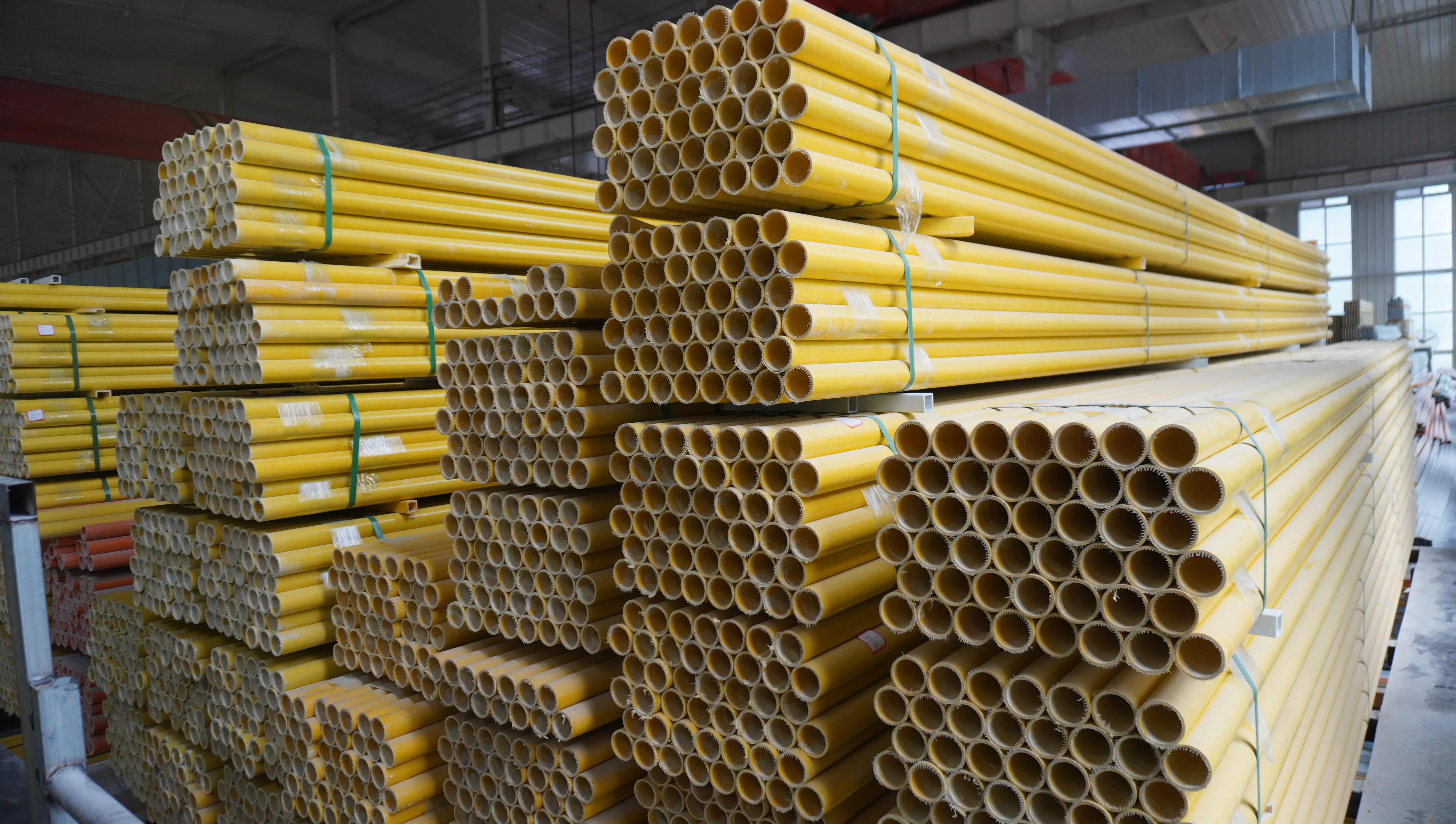
Introduction
Tube mill factories represent a critical component in the modern steel and non-ferrous metal processing industry. These facilities are dedicated to the high-volume production of welded steel tubes, encompassing a wide range of dimensions, wall thicknesses, and material grades. Positioned between raw material suppliers (steel billets, coils) and downstream manufacturers (automotive, construction, energy), a tube mill’s performance directly impacts the quality and cost-effectiveness of finished products. Core performance metrics include production rate, dimensional accuracy, weld seam integrity, and surface finish. The industry faces increasing demands for high-strength, lightweight tubes, and for mills to adapt to diverse alloy compositions, driving continuous innovation in welding techniques, roll tooling, and process control systems. This guide provides a comprehensive technical overview of tube mill technology, covering material science, manufacturing processes, performance characteristics, failure modes, and relevant industry standards.
Material Science & Manufacturing
The raw material for tube mill production is typically hot-rolled steel coil or billet. Steel grade selection is paramount, dictated by the desired mechanical properties of the finished tube – yield strength, tensile strength, elongation, and impact toughness. Common steel grades include carbon steel (ASTM A53, A106), alloy steel (ASTM A335 P11, P22), and stainless steel (304, 316). The manufacturing process begins with forming the flat coil or billet into a tubular shape. This is achieved through a series of roll stands, progressively reducing the diameter and wall thickness of the tube. Key manufacturing stages include:
- Strip Preparation: Cleaning, leveling, and edge trimming of the steel strip. Surface preparation is crucial for weld quality.
- Forming: Gradual bending of the strip into a circular or square shape using roll stands. Roll profile design significantly impacts tube dimensional accuracy.
- Welding: Typically employing High-Frequency Electric Resistance Welding (HFERW) or Laser Welding. HFERW utilizes electromagnetic induction to heat the edges of the strip, fusing them together under pressure. Laser welding offers higher precision and narrower heat-affected zones, but at higher capital cost. Welding parameters (frequency, voltage, welding speed, pressure) are critical for achieving a sound weld seam.
- Sizing & Rounding: Precisely controlling the outer diameter and roundness of the tube through additional roll stands.
- Cooling: Rapid cooling of the tube to achieve desired mechanical properties. Cooling rate affects microstructure and residual stress.
- Cutting & Finishing: Cutting the tube to specified lengths, followed by processes like deburring, straightening, and coating (e.g., galvanizing, painting).
Parameter control throughout the process is vital. Roll stand alignment, welding current/voltage, strip tension, and cooling water temperature must be precisely monitored and adjusted to maintain consistent tube quality. Material compatibility between strip steel and welding consumables must also be verified to prevent weld defects.
Performance & Engineering
The structural integrity and performance of welded steel tubes are governed by several engineering principles. Force analysis is critical in determining the tube’s ability to withstand internal pressure, external loads, and bending moments. Relevant equations include the Barlow’s formula for hoop stress in pressurized tubes and Euler’s formula for buckling resistance. Environmental resistance is another key consideration. Corrosion prevention strategies are essential, particularly for tubes exposed to harsh environments. Galvanizing, epoxy coatings, and the selection of corrosion-resistant alloy steels are common mitigation techniques. Compliance requirements vary depending on the intended application. For example, tubes used in high-pressure pipelines must meet stringent standards defined by ASME B31.3. Tubes used in structural applications must comply with building codes and standards (e.g., ASTM A500 for structural steel tubing). The functional implementation of the tube – its role within the larger system – dictates the required performance characteristics. For example, tubes used in heat exchangers must exhibit high thermal conductivity and corrosion resistance, while tubes used in automotive exhaust systems must withstand high temperatures and vibrations.
Technical Specifications
| Parameter | Unit | ASTM A53 Grade B | ASTM A335 P11 | 304 Stainless Steel |
|---|---|---|---|---|
| Outer Diameter | mm | 10.2 – 660.4 | 19.1 – 76.2 | 6.35 – 219.1 |
| Wall Thickness | mm | 1.65 – 25.4 | 2.79 – 11.1 | 0.8 – 6.35 |
| Yield Strength | MPa | 250 | 205 | 205 |
| Tensile Strength | MPa | 415 | 415 | 517 |
| Elongation | % | 23 | 20 | 30 |
| Corrosion Resistance | Rating (1-5) | 1 | 2 | 5 |
Failure Mode & Maintenance
Welded steel tubes are susceptible to several failure modes, including fatigue cracking, weld seam defects, corrosion, and denting. Fatigue cracking typically occurs under cyclic loading, initiated at stress concentrators such as weld seams or surface imperfections. Weld seam defects, such as porosity, lack of fusion, or incomplete penetration, can significantly reduce the tube’s strength and corrosion resistance. Corrosion, particularly pitting corrosion and galvanic corrosion, can lead to material loss and structural failure. Denting, caused by localized impacts, can compromise the tube’s structural integrity. Preventive maintenance is crucial for mitigating these failure modes. Regular inspections, using non-destructive testing (NDT) methods such as ultrasonic testing (UT), radiographic testing (RT), and magnetic particle inspection (MPI), can detect defects before they propagate. Surface coatings and corrosion inhibitors can protect against corrosion. Proper handling and storage procedures can minimize the risk of denting. For fatigue cracks, routine stress analysis and load monitoring are recommended. Periodic hydrotesting can verify the tube’s pressure-holding capacity. When a tube exhibits signs of failure (e.g., leaks, cracks, significant corrosion), it should be immediately removed from service and subjected to a thorough failure analysis to determine the root cause.
Industry FAQ
Q: What are the primary causes of porosity in HFERW welded tubes?
A: Porosity in HFERW welds is commonly caused by insufficient degassing of the steel strip, entrapped moisture, or improper welding parameters (frequency, voltage). Surface contaminants on the strip can also contribute to porosity. Ensuring clean strip, proper preheating, and optimized welding parameters are critical for minimizing porosity.
Q: How does the heat-affected zone (HAZ) influence the mechanical properties of a welded tube?
A: The HAZ is the region adjacent to the weld seam that experiences thermal cycling during welding. This can alter the microstructure and mechanical properties of the steel, often leading to reduced ductility and increased hardness. Careful control of welding parameters and post-weld heat treatment can mitigate these effects.
Q: What NDT methods are most effective for detecting laminar flaws in welded tubes?
A: Ultrasonic Testing (UT) with phased array capabilities is highly effective for detecting laminar flaws (cracks parallel to the tube surface) as it provides excellent sensitivity to internal defects. Radiographic Testing (RT) can also be used, but may have limitations in detecting tightly closed laminar flaws.
Q: What are the key considerations when selecting a tube material for a corrosive environment?
A: The specific corrosive agents, temperature, and pressure are crucial considerations. Stainless steel alloys (304, 316) offer excellent corrosion resistance in many environments. However, for highly corrosive conditions, specialized alloys such as duplex stainless steels or nickel-based alloys may be required. Coatings and inhibitors can also provide additional protection.
Q: How does roll pass design affect the dimensional accuracy of the finished tube?
A: Roll pass design is critical for achieving precise dimensional control. The shape, angle, and surface finish of the rolls directly influence the reduction in diameter and wall thickness. Optimized roll pass sequences are essential for minimizing ovality, eccentricity, and variations in wall thickness.
Conclusion
The production of high-quality welded steel tubes requires a meticulous understanding of material science, manufacturing processes, and engineering principles. Effective tube mill operation relies on precise parameter control, rigorous quality assurance procedures, and a proactive approach to maintenance. The ongoing demand for high-strength, lightweight, and corrosion-resistant tubes is driving continuous innovation in tube mill technology, focusing on advanced welding techniques, improved roll tooling, and automated process control systems.
Future trends will likely include increased adoption of laser welding, the development of new alloy compositions, and the integration of artificial intelligence for process optimization and defect detection. Maintaining a comprehensive understanding of these technological advancements is vital for tube mill factories to remain competitive in the evolving global market.