molded vs pultruded grating
Molded vs Pultruded Grating
Product Overview
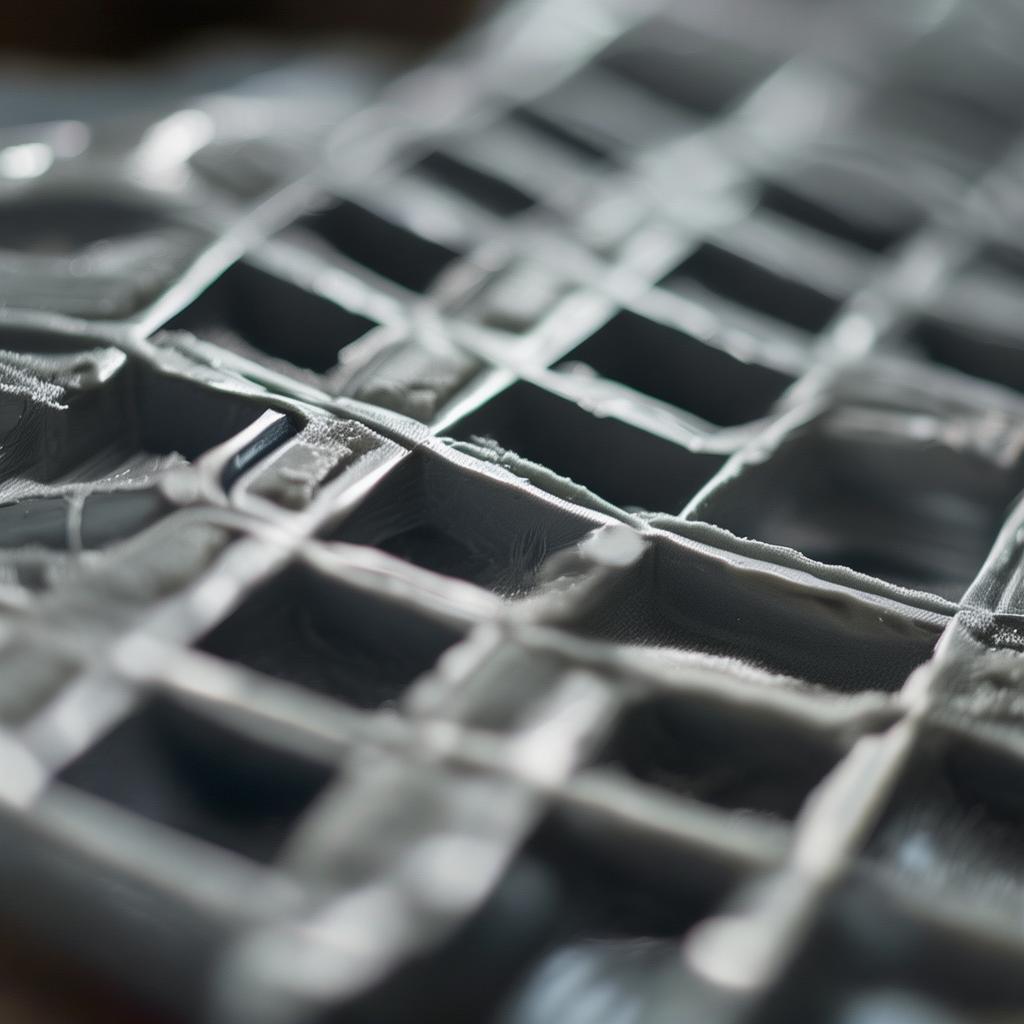
When it comes to industrial flooring solutions, the debate between molded vs pultruded grating is a crucial consideration for engineers and procurement professionals. Both types of grating offer unique benefits and applications, making them suitable for various environments. Molded grating is formed through a thermosetting process, resulting in a solid, non-slip surface, while pultruded grating is manufactured using a continuous process that produces a lightweight and durable product. Understanding the differences between these two types of grating will help you make an informed decision tailored to your specific needs.
Key Features
- Molded Grating: Offers high load capacity and slip resistance, making it ideal for heavy industrial applications.
- Pultruded Grating: Lightweight and easy to install, suitable for use in applications requiring less weight-bearing capacity.
- Corrosion Resistance: Both types are highly resistant to chemicals and environmental factors, ensuring longevity and maintenance-free operation.
- Customizability: Available in various colors, sizes, and configurations to meet specific project requirements.
- Safety Features: Both options provide excellent traction, reducing the risk of slips and falls in industrial settings.
Technical Specifications
| Specification | Molded Grating | Pultruded Grating |
|---|---|---|
| Material | Fiberglass Reinforced Plastic (FRP) | Fiberglass Reinforced Plastic (FRP) |
| Load Capacity | Up to 250 psi | Up to 150 psi |
| Weight | Heavier and robust | Lighter and easier to handle |
| Installation | More labor-intensive | Quick and easy installation |
| Typical Applications | Heavy industrial, walkways, platforms | Light industrial, walkways, and ventilation |
Application Scenarios
The choice between molded vs pultruded grating often depends on the specific application. Here are some typical scenarios for each type:
Molded Grating Applications:
- Heavy-duty industrial flooring in manufacturing plants
- Walkways and platforms in chemical processing facilities
- Wastewater treatment plants requiring durable surfaces
- Marine applications where slip resistance is paramount
Pultruded Grating Applications:
- Light-duty platforms and walkways in commercial buildings
- Ventilation systems and access covers
- Elevated walkways in parks and recreational areas
- Support structures in electrical substations
Advantages
When comparing molded vs pultruded grating, it's essential to consider the unique advantages each option brings:
Molded Grating Advantages:
- Superior Load-Bearing Capacity: Molded grating can support heavier loads, making it ideal for demanding environments.
- Enhanced Slip Resistance: The surface texture provides excellent traction, ensuring safety in slippery conditions.
- Longer Lifespan: Resistant to UV rays and chemicals, molded grating has a long service life.
Pultruded Grating Advantages:
- Lightweight Design: Easy to transport and install, reducing labor costs and installation time.
- Customizable Profiles: Available in various shapes and sizes to meet specific needs.
- Versatile Applications: Suitable for a wide range of light-duty applications, from commercial to residential.
Why Choose Us
At [Your Company Name], we are committed to providing high-quality molded and pultruded grating solutions tailored to your industrial needs. Our products are manufactured under stringent quality controls, ensuring reliability and durability. With years of experience in the field, our team of experts is here to guide you through the selection process of molded vs pultruded grating, ensuring you make the right choice for your project. We pride ourselves on excellent customer service and support, ensuring your satisfaction from inquiry to delivery.
FAQ
What is the main difference between molded and pultruded grating?
The primary difference lies in their manufacturing processes. Molded grating is formed in a mold and has a thicker, more robust design, while pultruded grating is produced through a continuous process that yields a lighter, thinner profile.
Which type of grating is better for outdoor applications?
Molded grating is often preferred for outdoor applications due to its superior load capacity and slip resistance. However, pultruded grating can also be used in less demanding outdoor environments.
Are both types of grating resistant to chemicals?
Yes, both molded and pultruded grating are highly resistant to various chemicals, making them suitable for use in industrial settings where exposure to harsh substances is common.
Can I customize the size and color of the grating?
Absolutely! Both molded and pultruded grating can be customized in terms of size, color, and configuration to meet your specific requirements.
How do I determine which type of grating is right for my application?
Consider factors such as load capacity, installation requirements, and the specific environment in which the grating will be used. Consulting with our team can also help you make an informed decision.